As "small-batch fast response" becomes the mainstream of the garment industry, traditional cutting workshops are being completely reshaped by intelligent cutting and spreading equipment. In the past, garment factories relied on massive labor to finish cutting work. Today, labor shortages and rising labor costs have turned automated equipment from an optional extra into a necessity. Competition among future garment factories is no longer a contest of manpower, but a race in automation, digitalization and flexible production capacity.
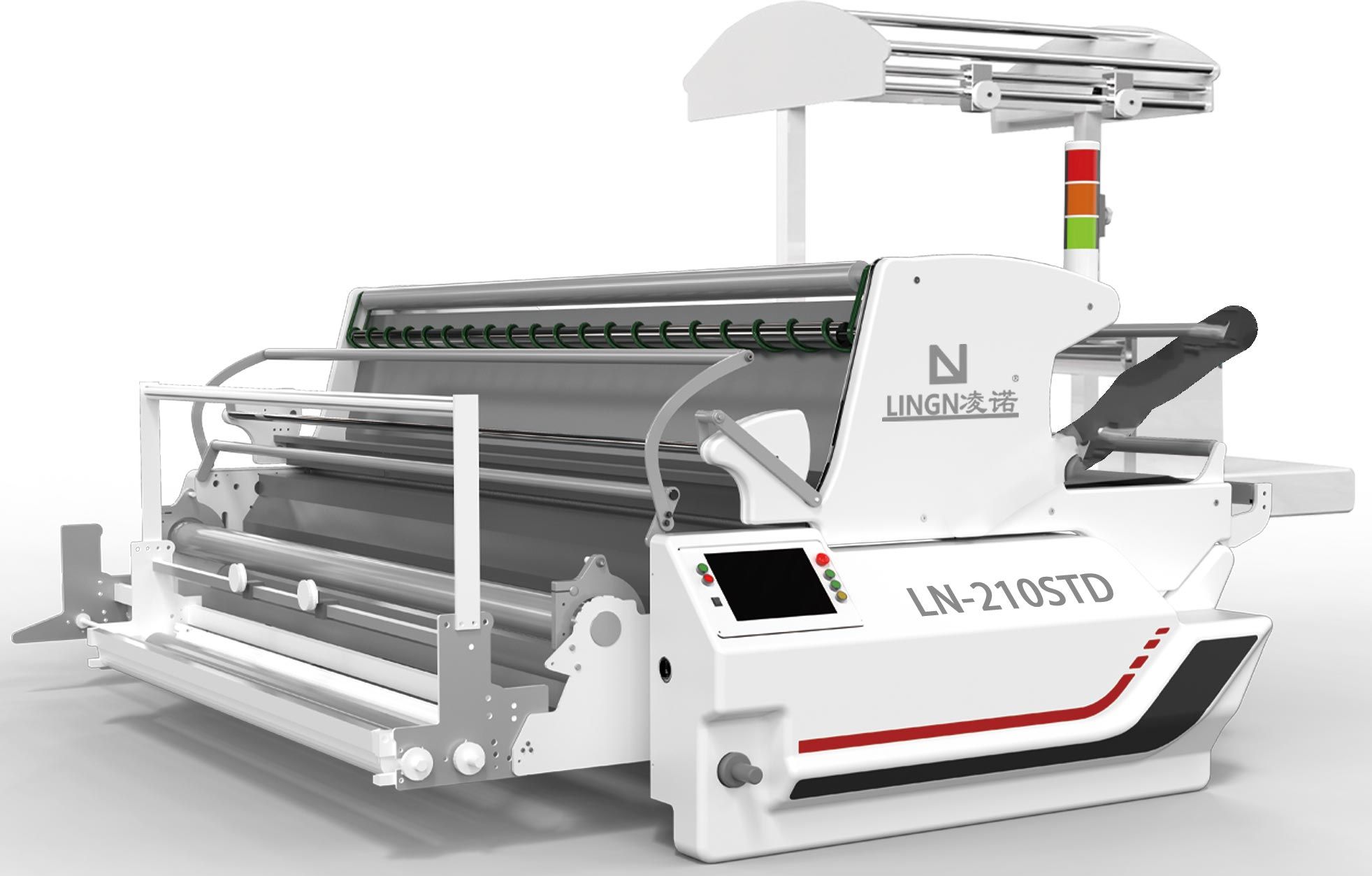
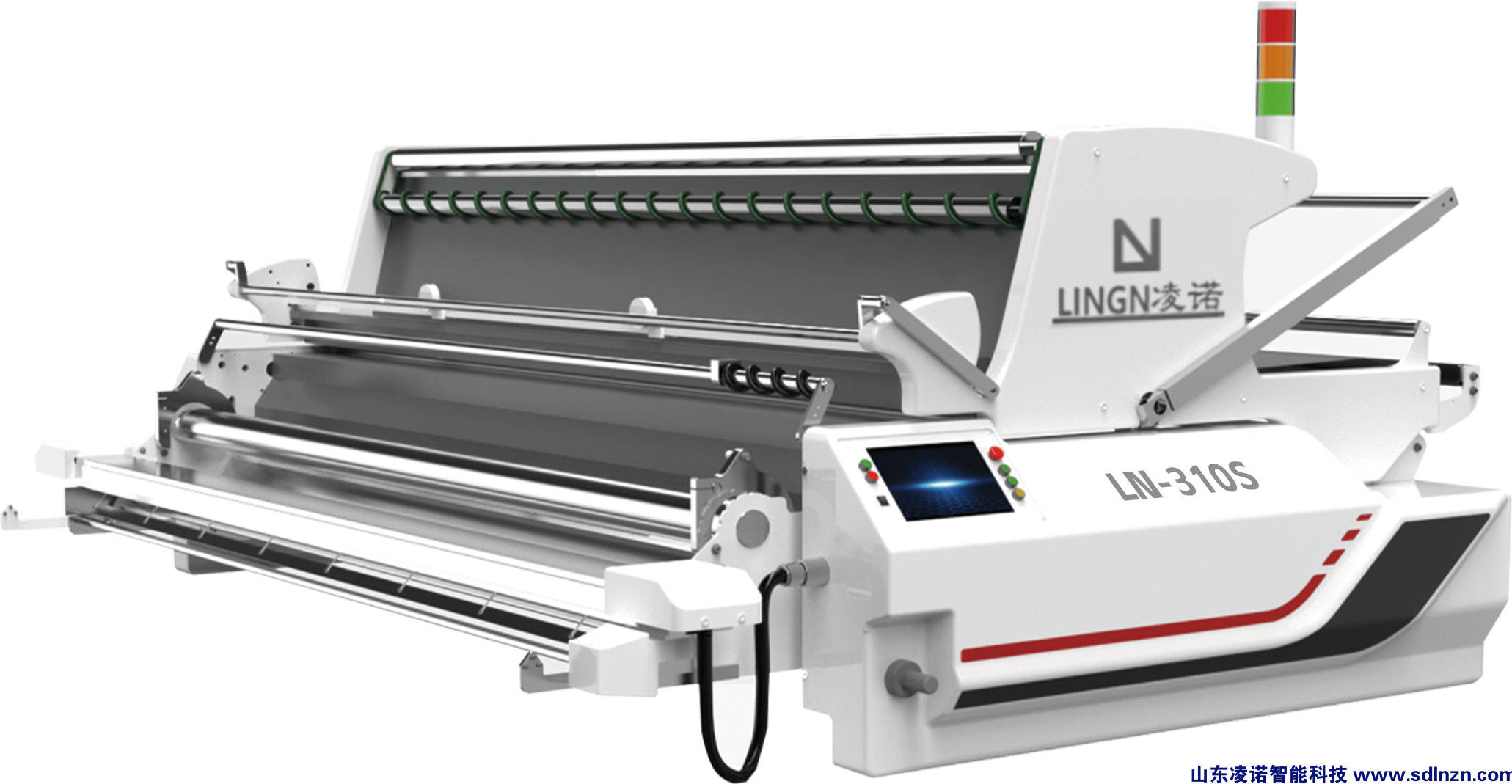
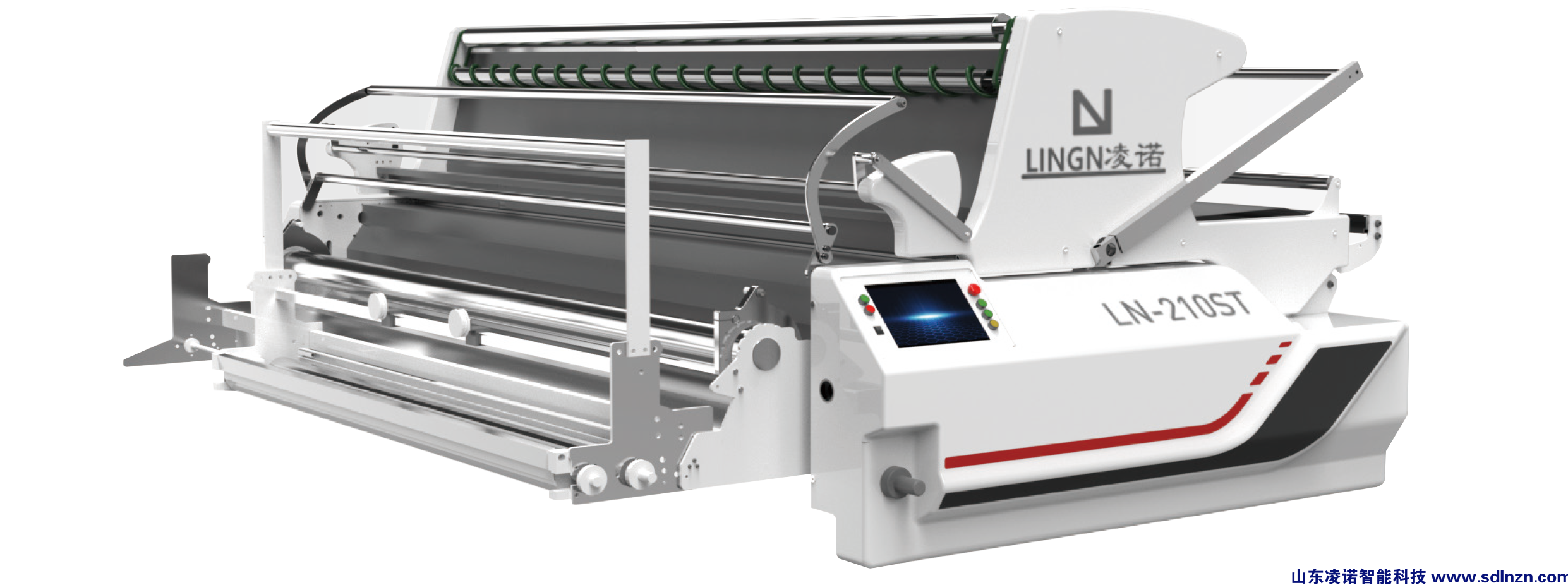
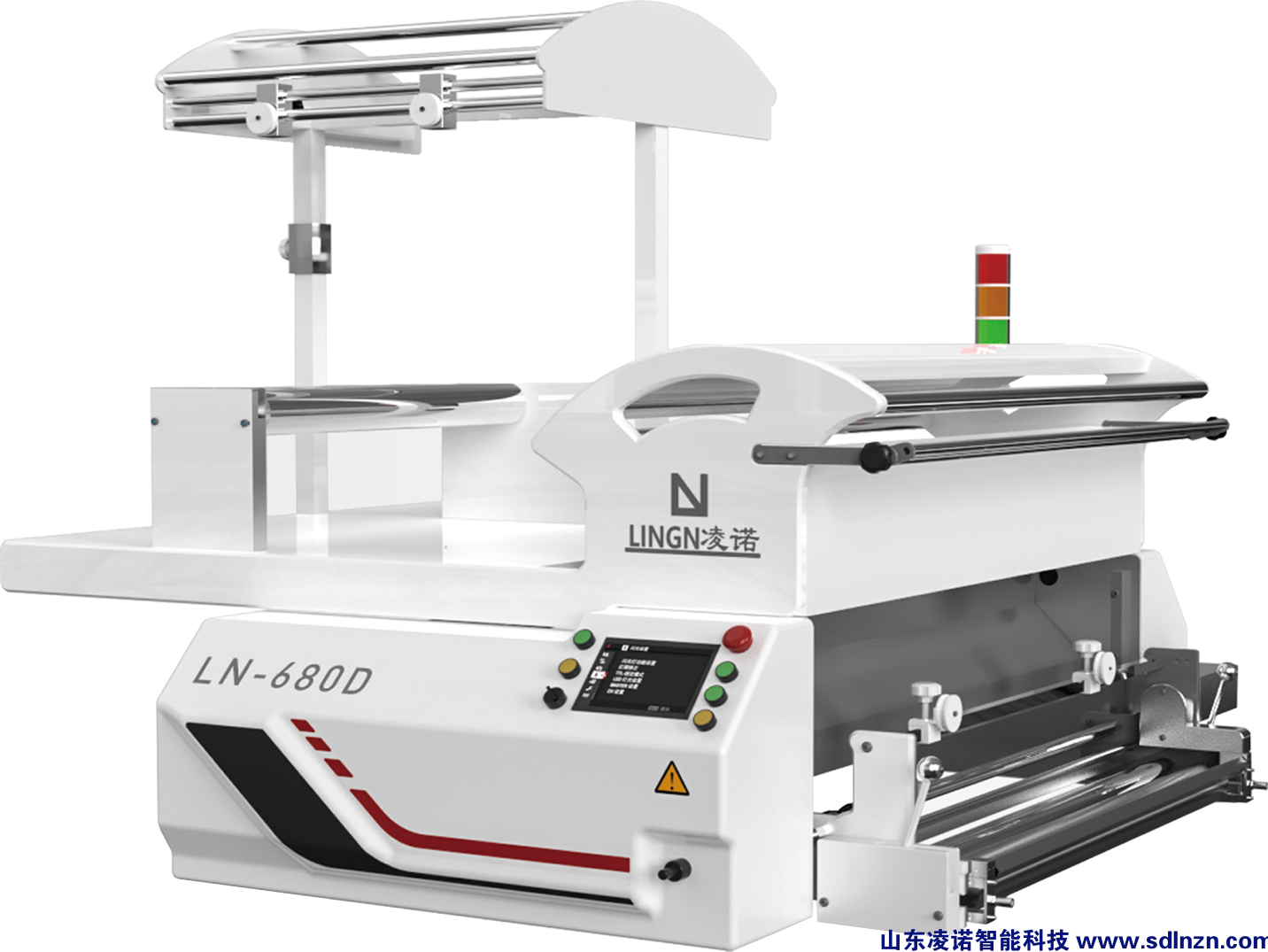
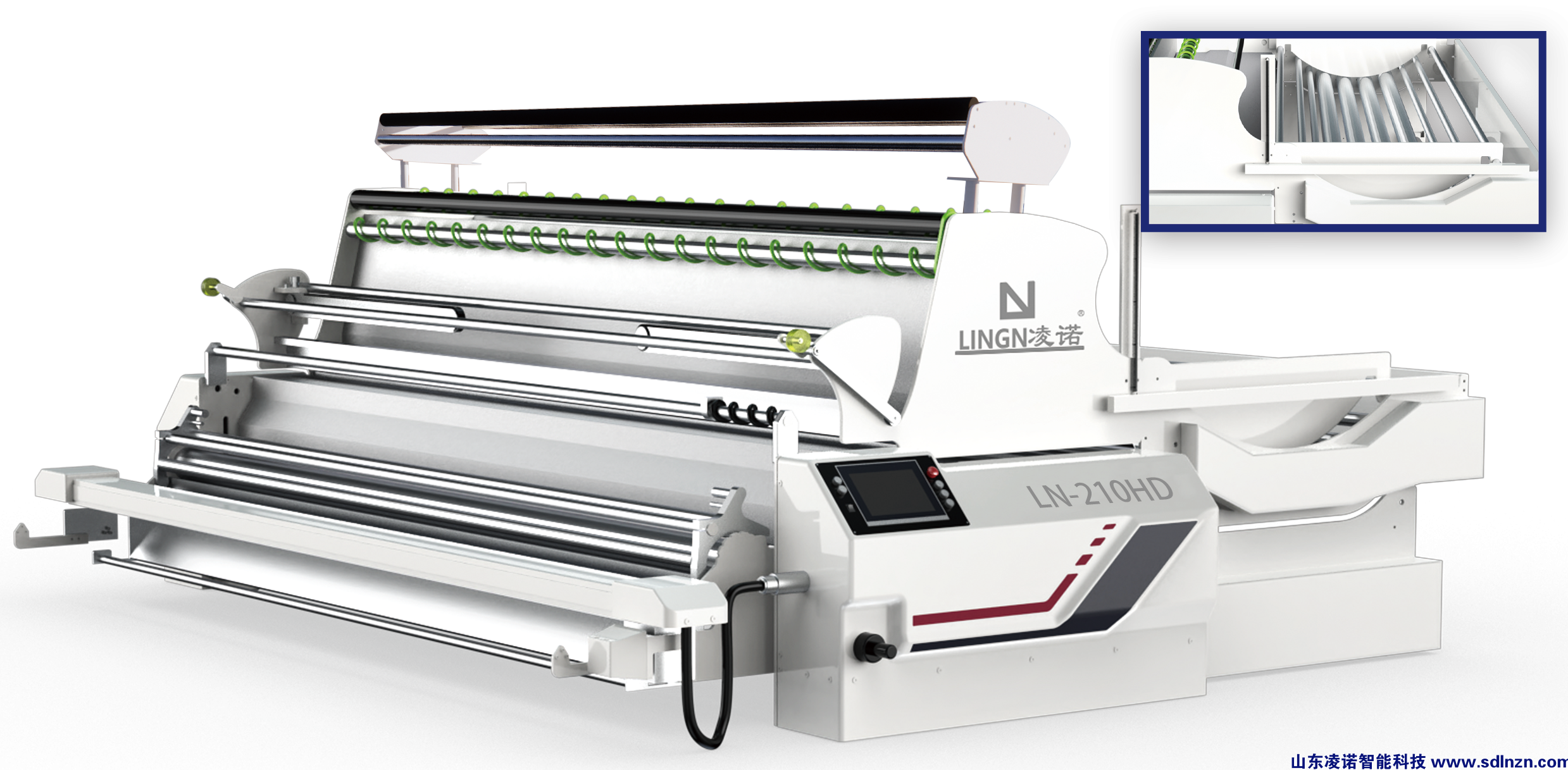
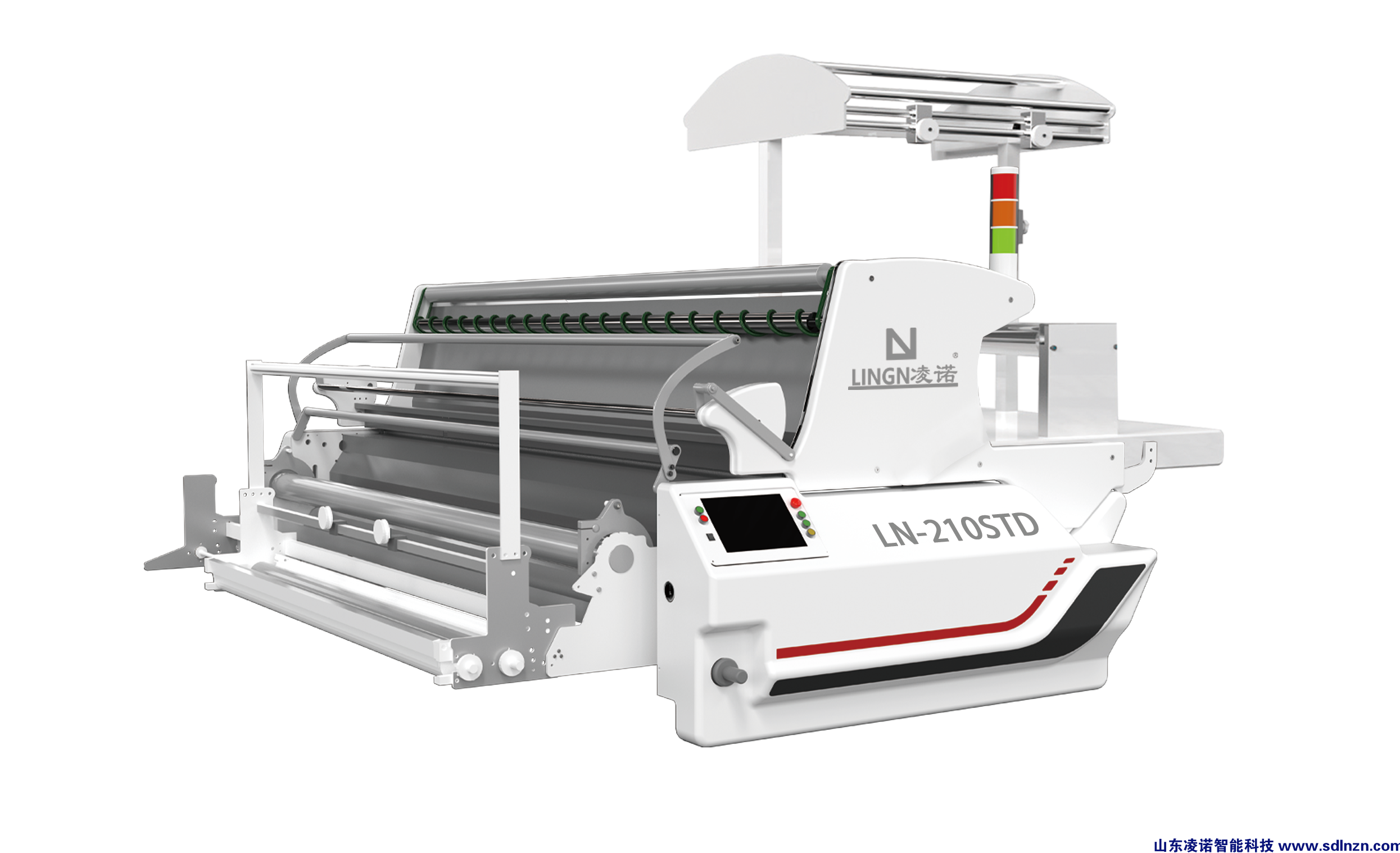
As the first step in the cutting process, fabric spreaders are evolving toward full automation and high precision. Featuring automatic feeding, auto-stop on fabric exhaustion, stripe-and-check matching, and compatibility with stretch fabrics, an intelligent spreader lays multi-layer fabric flat and evenly. It eliminates wrinkles and uneven tension at the source for more accurate cutting and less fabric waste later. Spreading quality directly determines the pass rate of cut pieces and fabric utilization. Therefore, intelligent spreading stands as the first checkpoint for factories to boost efficiency and cut costs.
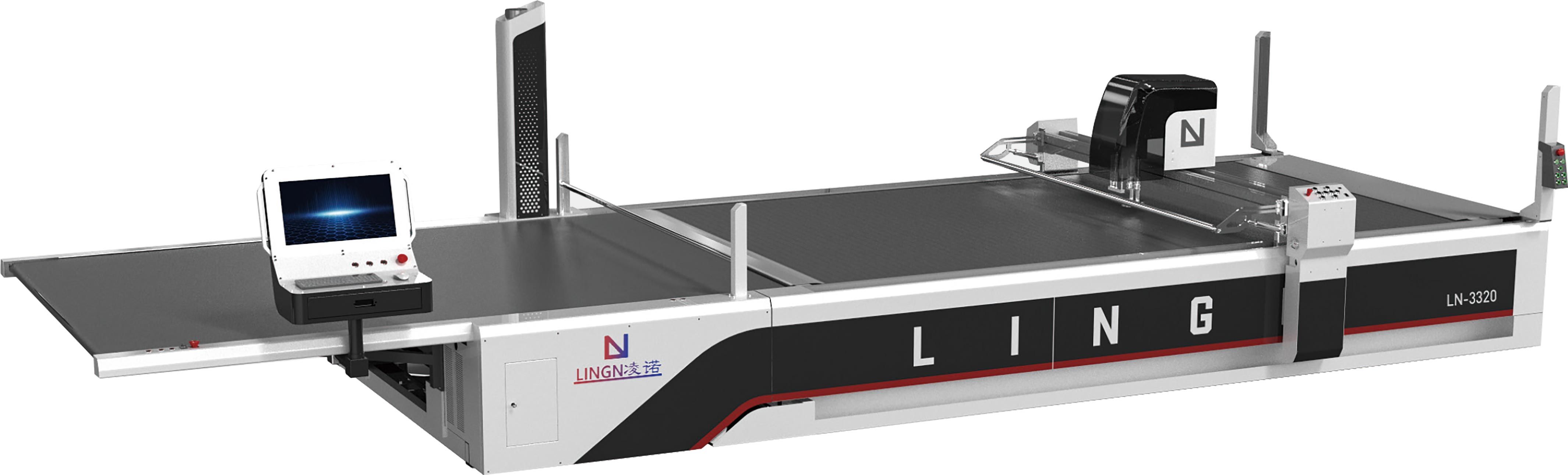
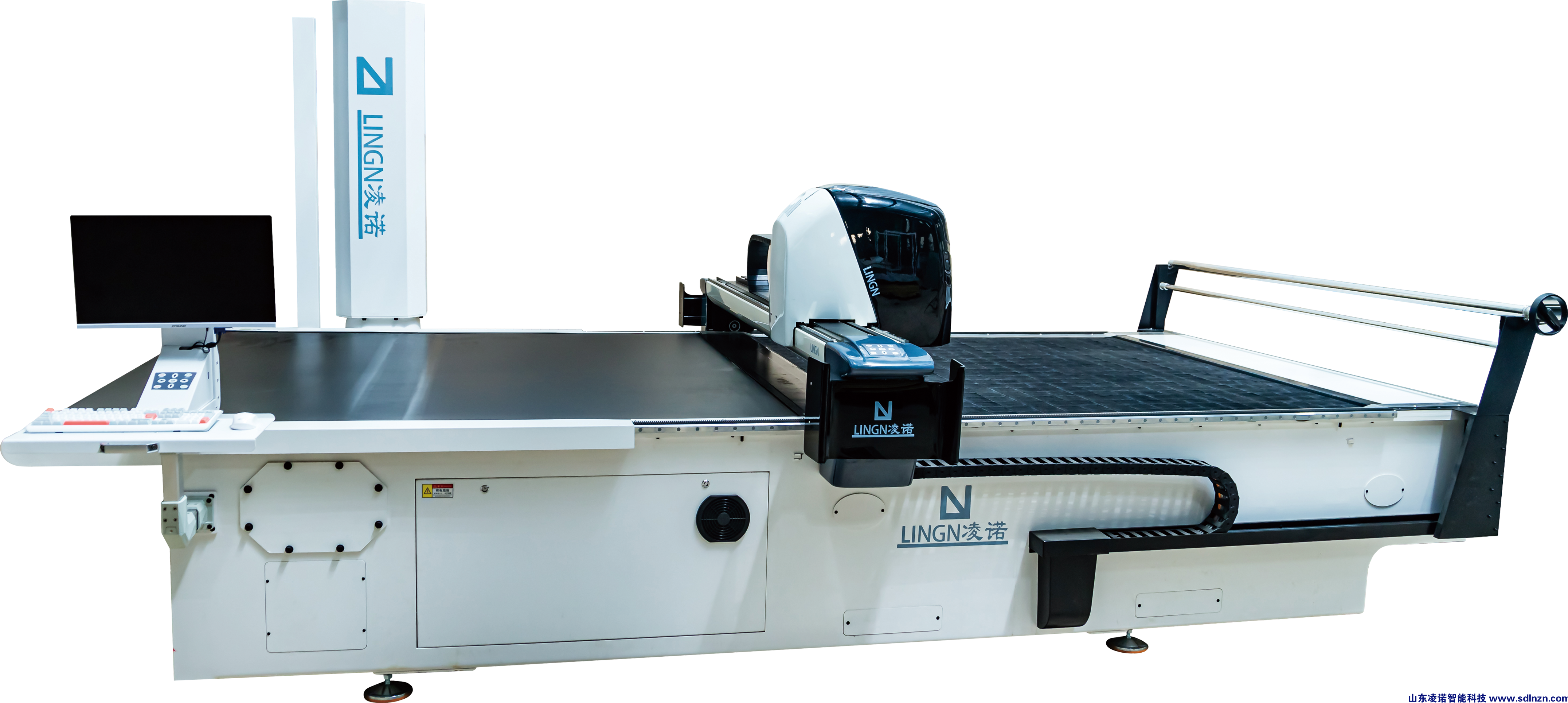
Intelligent cutting tables deliver true high precision and low material loss. Equipped with CNC systems and visual recognition, they auto-nest patterns and cut intelligently based on CAD markers. A single operator can oversee the whole production line, minimizing human error and fabric waste while greatly lifting output to handle flexible multi-style, small-batch orders effortlessly. Paired with automatic spreaders, they form a closed loop covering spreading, nesting and cutting to realize low-labor and flexible production.
It is foreseeable that future garment factories will center on "intelligent spreading + digital cutting tables" to build end-to-end automation from nesting to cutting. Factories that deploy this smart cutting solution first will gain the key ticket to the era of smart manufacturing and seize an upper hand amid fierce industry competition.