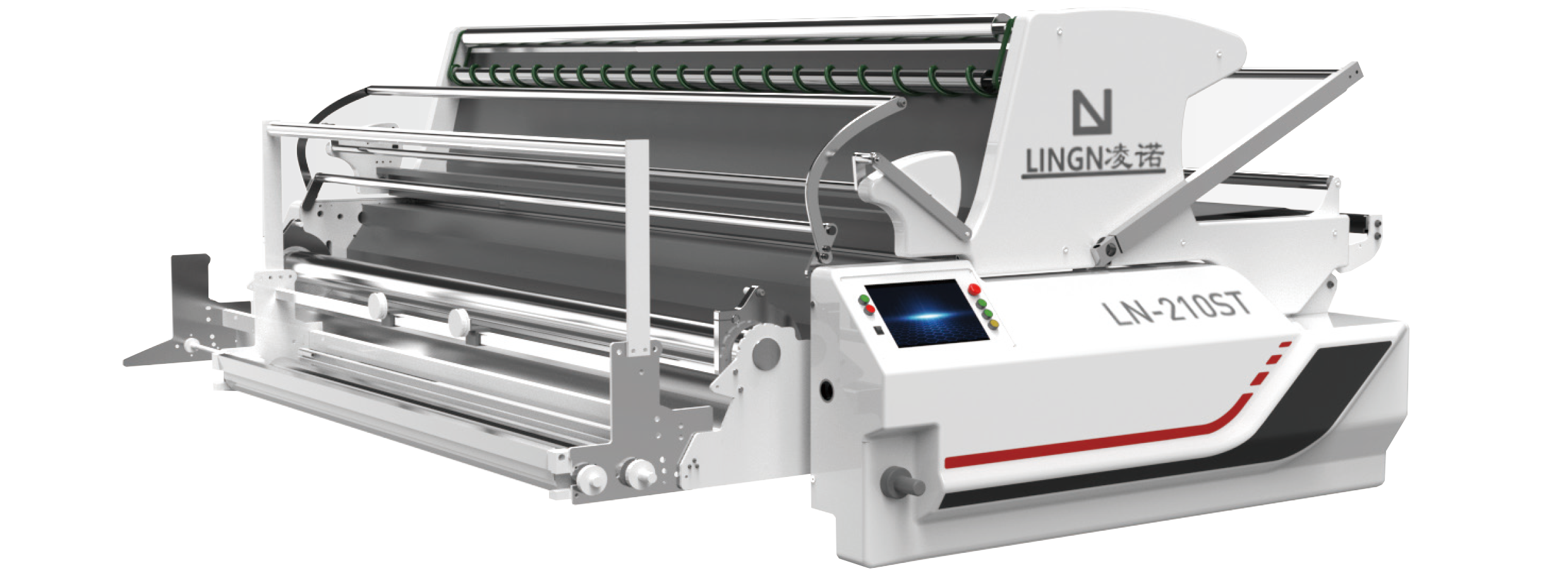
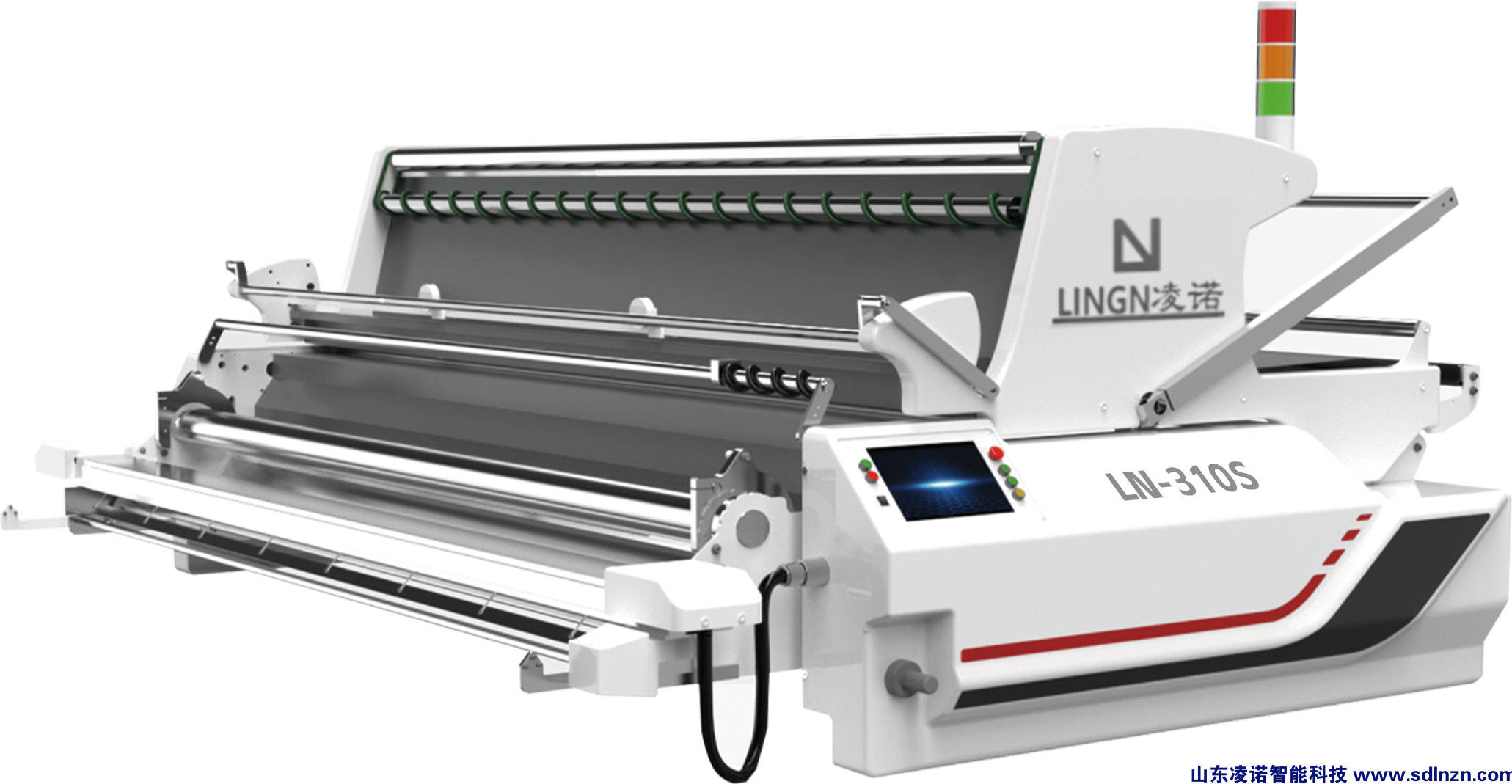
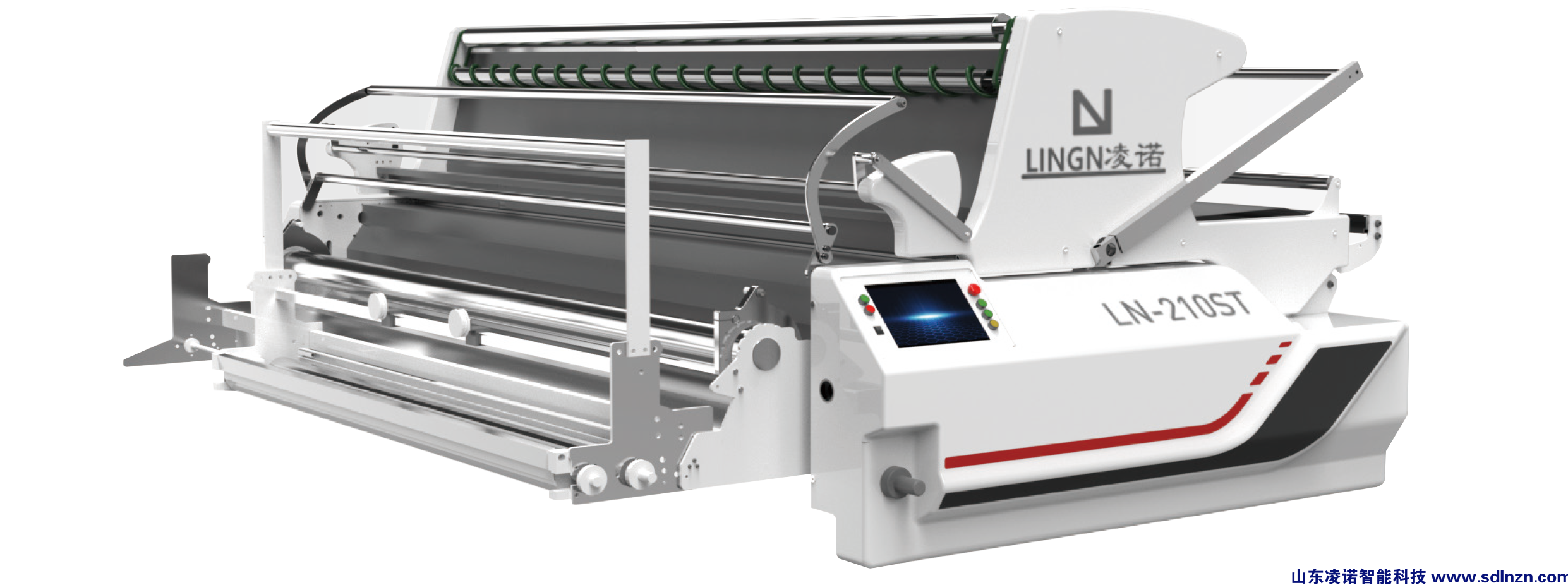
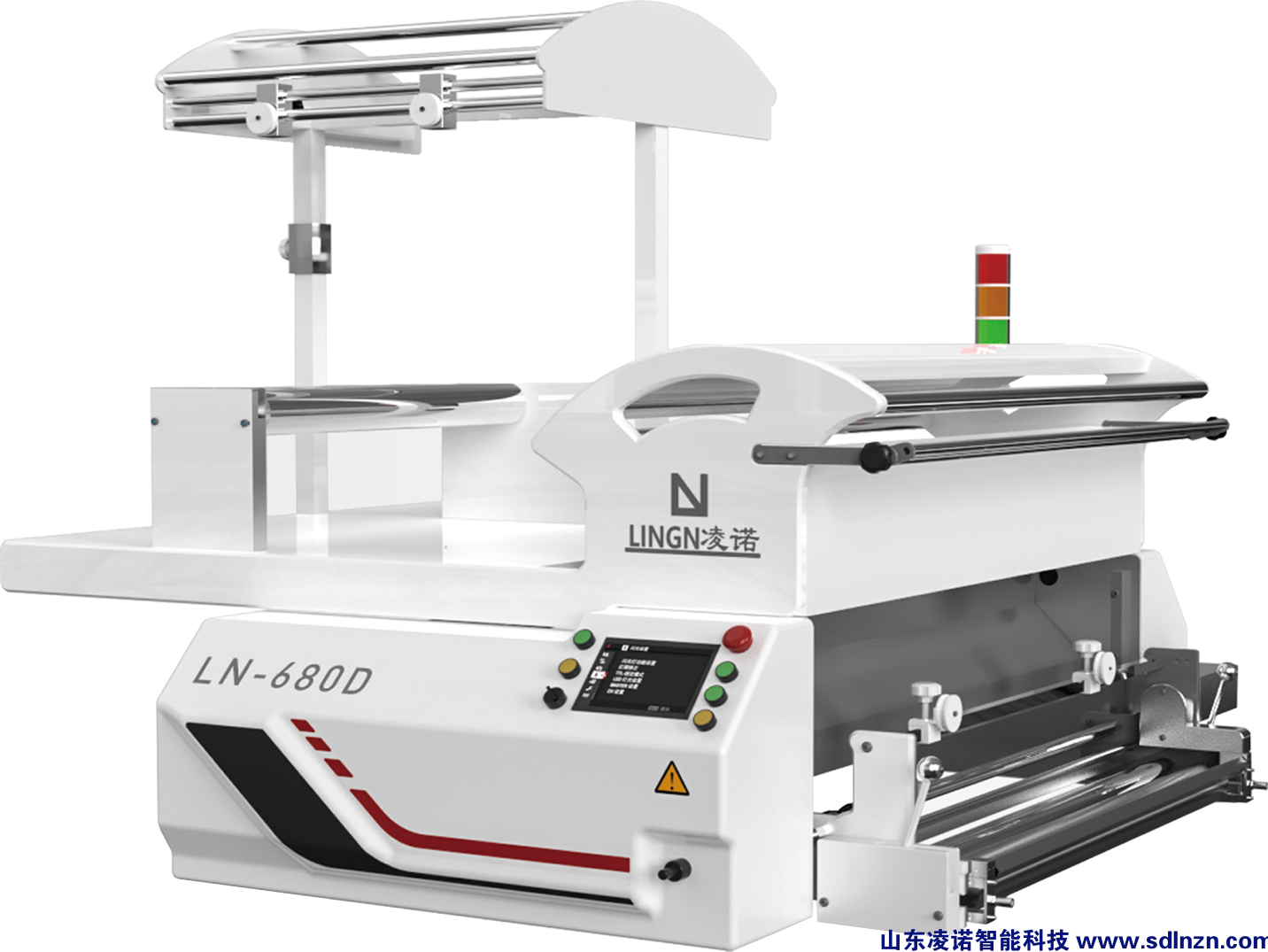
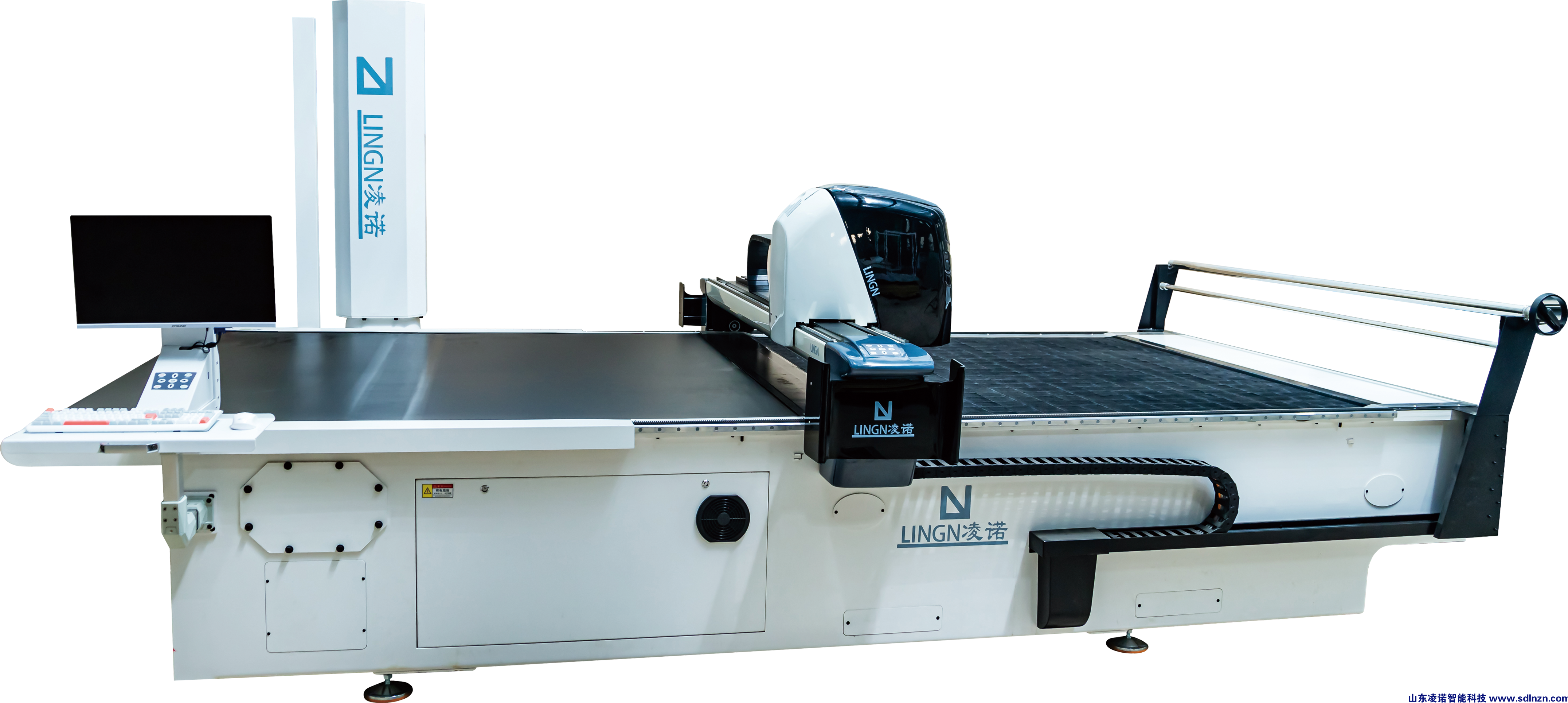
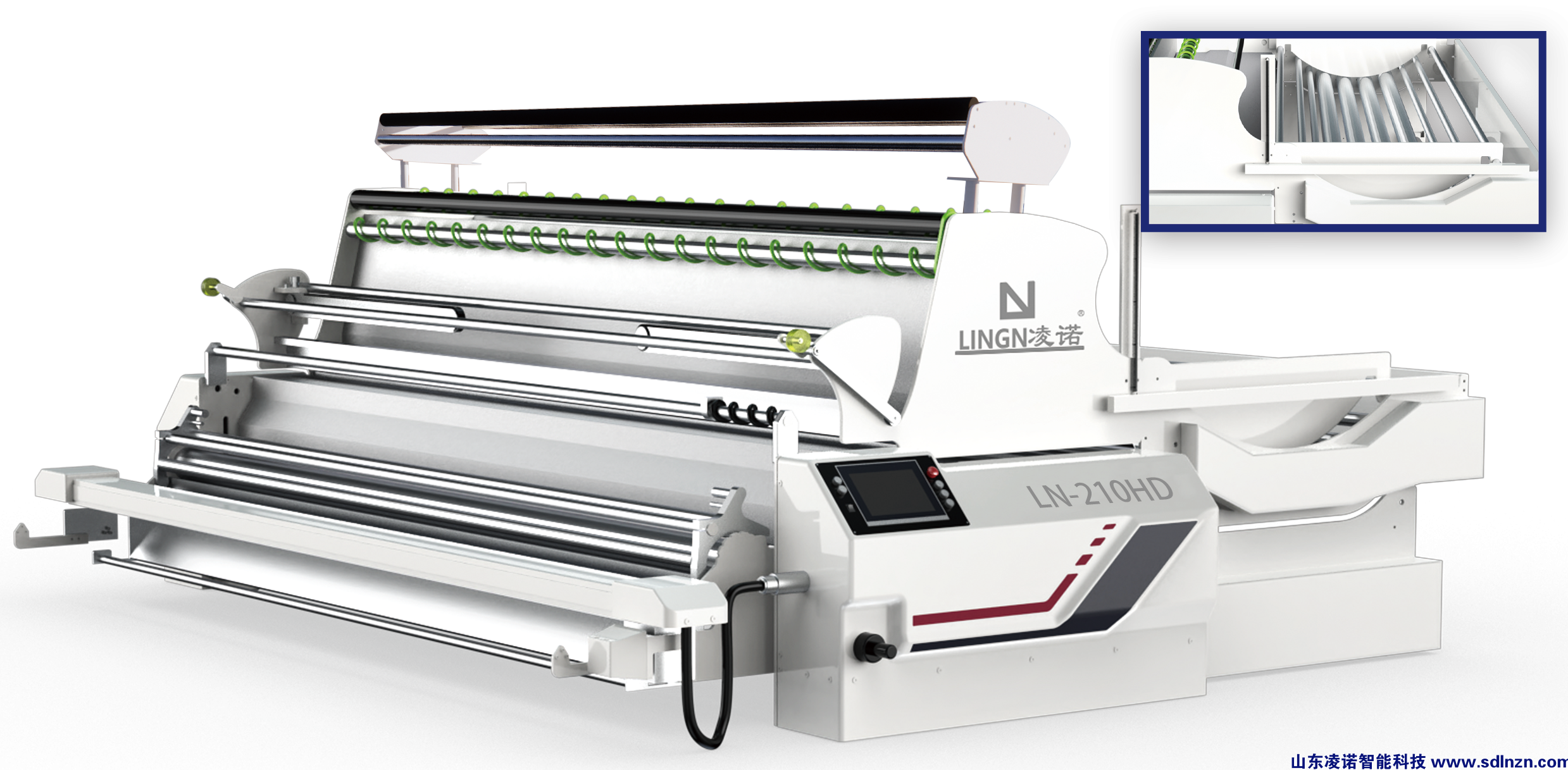
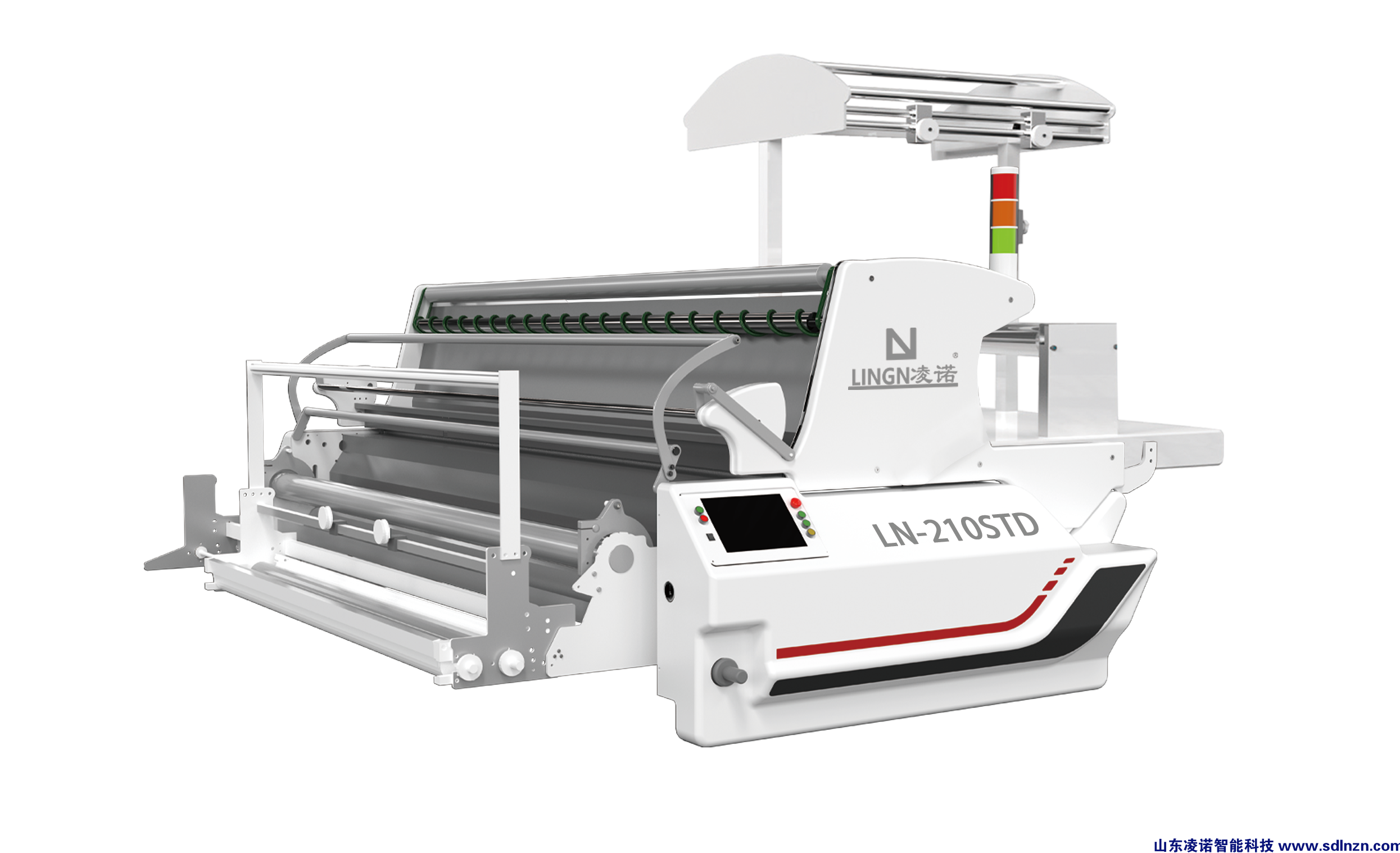
The popularization of cutting tables and fabric spreaders has allowed more and more garment factories to reap the benefits of automation. Nevertheless, many factories end up with improperly selected, overpriced or idle equipment. Before placing an order, consider the following key points to make every investment count.
First, analyze your fabric types. Does your factory mainly process knitted and woven fabrics, or frequently handle tubular fabrics and thick batting materials? Fabric characteristics directly determine the right model. For a wide variety of fabrics, choose a knit-and-woven dual-purpose spreader. If tubular fabrics predominate, opt for a tubular dedicated or 2-in-1 model. For frequent batting and thick-material spreading, the elevated batting-specific spreader is a better fit. Picking the right model matters more than buying an expensive one.
Second, evaluate your production capacity and business scale. Order volume and order mix decide which grade of equipment you need. Small-batch, multi-style orders prioritize efficiency and flexibility. Stable, large-volume orders focus more on throughput and payback speed. Factories on a smaller scale do not necessarily need a full-spec setup all at once.
Third, focus on core performance indicators instead of price alone. Cutting precision, spreading uniformity, material-saving performance and operational stability are the keys to long-term value. A high-precision, material-efficient machine often recovers its price premium faster than a cheaper alternative.
Fourth, check supporting accessories and after-sales service. Can the machine work seamlessly with fabric inspectors, fabric loaders and cutting tables for full-line coordination? Are spare parts readily available and is after-sales support responsive? These invisible “soft strengths” directly affect downtime and user experience.
Finally, run a full cost-benefit calculation. Compare equipment investment against gains from labor savings, fabric reduction and higher output to clarify the payback period. By clarifying your requirements, calculating returns and valuing after-sales support, cutting tables and fabric spreaders can turn from a procurement expense into a genuine profit driver.